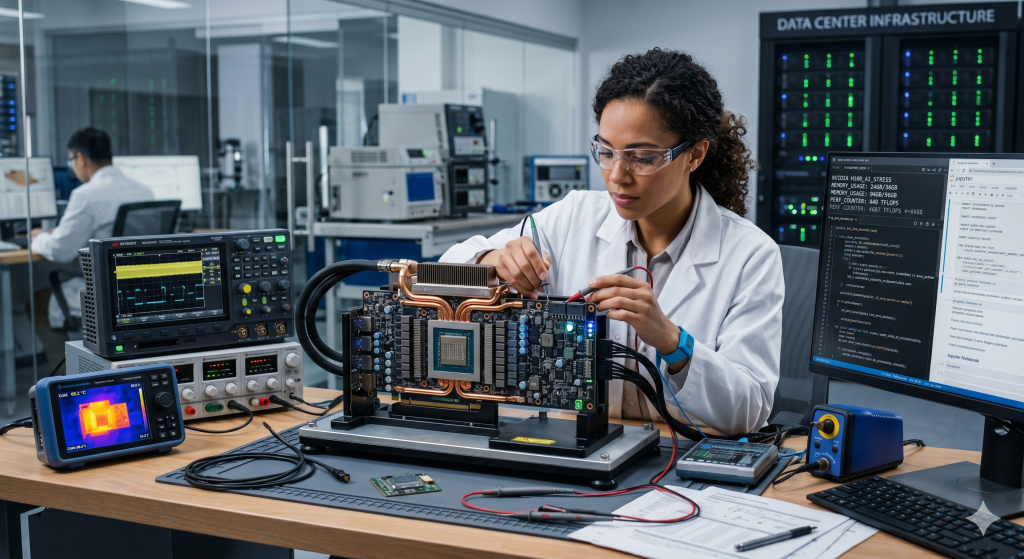

1. The SpaceX IPO: Institutional & Retail Dynamics
The anticipated SpaceX public offering represents a fundamental shift in aerospace valuation, moving from venture-backed speculation to institutional bedrock. Institutional players are currently positioning for long-term hold strategies, focusing on Starlink’s recurring revenue and the immense multi-trillion-dollar potential of the orbital economy. Unlike typical tech IPOs, the institutional interest is anchored in the “moat” created by rapid reuse technology and vertical integration, which remains unchallenged by traditional competitors.
Retail investors, however, face a different reality. Much of the pre-IPO excitement in retail forums underestimates the complex regulatory and national security barriers that will define SpaceX’s public life. Institutional capital will dominate price discovery, likely prioritizing government-backed revenue streams over consumer-facing metrics. The key takeaway for investors is to decouple SpaceX from traditional aerospace; it should be analyzed as an infrastructure and data utility provider. As we approach the official filing, expect a tiered institutional sell-off of early-stage private equity, followed by a stabilizing period where the firm’s ability to manage orbital congestion and global communication regulatory hurdles will dictate its true market multiple.

2. Infrastructure & ESG: The Greenwashing Correction
The ESG marketplace is undergoing a brutal, necessary correction. Institutional capital, previously lulled by favorable interest rates and “green” mandates, is now aggressively auditing renewable infrastructure projects for “real-world” impact. Investment greenwashing—the practice of inflating environmental credentials to secure favorable financing—is no longer merely a PR risk; it is a fiduciary liability. This year’s renewable buildouts are being severely hampered by higher scrutiny, which has effectively widened the spread between legitimate, high-utility infrastructure and low-depth “paper” sustainability projects.
For developers and financiers, the signal is clear: ESG must move from a marketing checkbox to an engineering standard. Capital is currently flowing away from projects that rely on subsidies and toward those that solve genuine grid instability or supply chain bottlenecks. Investors are now utilizing high-signal data to verify the energy transition’s technical viability, not just its carbon offset narrative. Moving forward, the projects that succeed will be those that prioritize operational resilience and transparent lifecycle reporting over the simplistic and often misleading metrics that defined the previous half-decade of green investment.
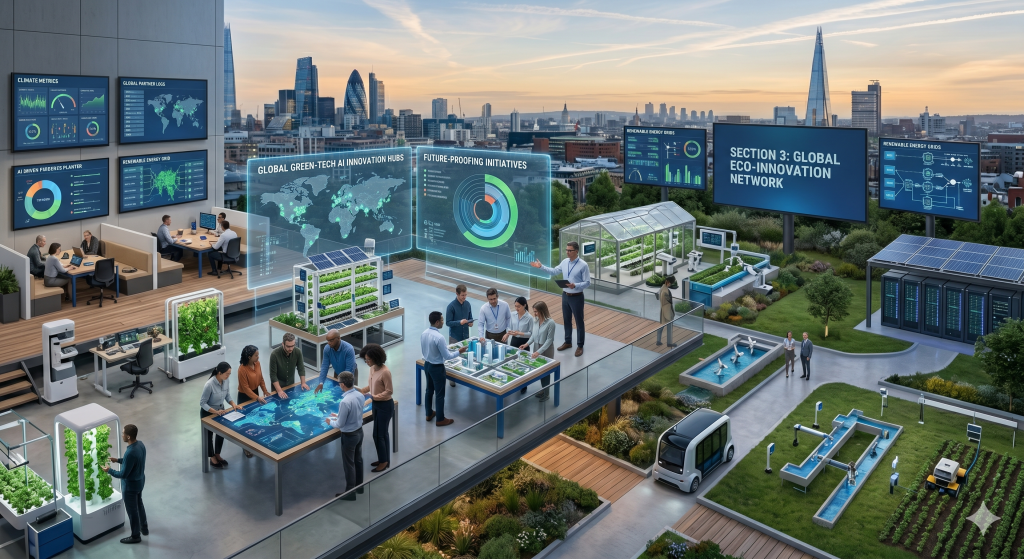
3. Embedded Science: The AI/ML Economic Threshold
The massive influx of venture capital into embedded AI and machine learning is hitting a “utility wall.” While early funding rounds were driven by pure narrative—the promise of autonomous everything—the current economic environment is demanding tangible ROI. Large-scale capital allocators are now shifting focus toward “edge-case” stability: companies that can integrate ML into physical hardware to reduce latency, increase power efficiency, and improve reliability in industrial and aerospace settings.
The unstable aspect of the current market lies in the proliferation of “AI-thin” applications that lack the requisite hardware-level depth. Genuine economic generators are ignoring broad-market LLM wrappers and are instead funding companies that treat AI as a component of an embedded system, not the entire product. The financial blueprint for the next 24 months involves a contraction of pure software AI funding and a surge in capital dedicated to “Hard Tech” integration—where AI serves to optimize physical systems rather than replace human cognitive output. Those who survive will be the firms that demonstrate a reduction in hardware power draw or a quantifiable increase in sensor-to-action speed, marking the transition from “AI hype” to “AI utility.”